Roof Washing Runoff: Responsible Practices in Melbourne
Roof washing removes accumulated dirt, moss, algae and other deposits, but it also creates wastewater that needs careful management. Water leaving a roof can carry cleaning chemicals, sediment, organic debris and particles from deteriorating coatings. Without suitable controls, that mixture can enter Melbourne’s stormwater network and reach local creeks, rivers and Port Phillip Bay.
Responsible roof cleaning involves more than choosing a cleaning product. It requires assessing drainage, selecting a method suited to the roof, containing contaminated water and arranging an appropriate disposal pathway. For Melbourne homeowners, understanding these steps makes it easier to choose a contractor who protects both the property and the surrounding environment.
Why Roof Washing Runoff Needs Attention
Melbourne’s stormwater system generally carries rainwater to waterways without the treatment applied to sewage. A street drain is therefore not an appropriate disposal point for roof cleaning wastewater. Water entering a downpipe may travel through underground drainage and leave the property before anyone notices contamination.
Roof runoff can contain bird droppings, soil, leaf fragments, moss and algae. Depending on the roof’s age and condition, it may also contain corrosion products, paint flakes or particles from surface coatings. Detergents and treatments add another potential source of pollution.
Some roof washing products contain sodium hypochlorite, while others use different biocides or surfactants. Their environmental risks depend on their ingredients, concentration and exposure. A product described as “biodegradable” is not automatically safe to release into stormwater. Breakdown takes time, and the product or its ingredients can still harm aquatic organisms before that occurs.
Environmental Responsibilities in Melbourne in 2026
Victoria’s Environment Protection Act 2017 establishes a general environmental duty. People carrying out activities that may create risks to human health or the environment from pollution or waste must minimise those risks so far as reasonably practicable. This is relevant to businesses undertaking roof cleaning and managing the resulting wastewater.
In practical terms, a contractor should identify where runoff will go, assess what it may contain and put suitable controls in place before cleaning begins. Allowing contaminated water to escape and attempting to clean it up afterwards is not an adequate substitute for planning.
Requirements can also involve local councils, the relevant water corporation and waste receiving facilities. Sewer discharge is not automatically permitted simply because it avoids stormwater. Any proposed sewer disposal needs confirmation from the relevant water corporation and compliance with its conditions. Commercial cleaning wastewater may require trade waste approval.
For a particular property or cleaning product, check current advice from EPA Victoria, the local council and the relevant water corporation. Product labels and safety data sheets provide essential information, but they do not independently authorise a disposal method.
Start with a Roof and Drainage Assessment
Identify Every Runoff Pathway
Before equipment is set up, the contractor should trace gutters, downpipes and accessible drainage connections. They should identify whether water flows to stormwater, a rainwater tank, a soakage system or another destination. Shared drainage and concealed connections can complicate work on townhouses and closely spaced Melbourne properties.
The assessment should also consider roof valleys, box gutters, overflows, paved areas, neighbouring properties and nearby garden beds. Capturing water at one downpipe is ineffective if another outlet remains connected to stormwater.
Check the Roof Material and Condition
The cleaning method should reflect the roof material, coating condition and manufacturer’s guidance. Loose tiles, damaged pointing, corrosion, peeling coatings and existing leaks may need attention before washing proceeds.
Older Melbourne properties can have asbestos-containing roofing or associated materials. Suspected asbestos requires specialist assessment before cleaning. High-pressure water cleaning of asbestos-containing materials is prohibited in Victoria. Ordinary pressure washing, scrubbing or other disturbance can release hazardous fibres and contaminate the property.
Choose Methods That Reduce Wastewater at the Source
The most effective runoff strategy starts by reducing the amount of contamination entering the wash water. Where safe and suitable, trained workers can collect loose leaves, sediment and other debris before wet cleaning. This keeps solids out of gutters and reduces the load that capture equipment must handle.
Water pressure, chemical concentration and application volume should be no greater than needed for the task. More pressure is not necessarily more effective, and stronger chemical mixtures can increase risks to coatings, plants, workers and waterways.
Colorbond Roof Cleaning and Other Metal Roofs
Colorbond roof cleaning should follow guidance for the specific coated steel product. An unsuitable chemical, abrasive tool or aggressive pressure setting can damage the finish. Metal roof cleaning also requires care around fasteners, flashings, sheet overlaps and any areas affected by corrosion.
Do not assume every metal roof can tolerate the same treatment. Painted steel, coated steel and other metals may have different cleaning requirements. Avoid directing water into overlaps or roof penetrations, and check chemical compatibility before application.
Tile Roof Cleaning
Tile roof cleaning requires an approach suited to concrete or terracotta tiles and their condition. High pressure can damage weathered surfaces, disturb mortar or force water beneath tiles. Fragile or cracked tiles also create access and leakage risks.
A lower-pressure method may reduce mechanical damage, but it does not eliminate the need for runoff controls. If a treatment is left on the roof, later rain can wash residues into gutters. The contractor should explain how that delayed runoff will be managed, rather than addressing only the water generated during the appointment.

Capture and Manage Runoff During the Work
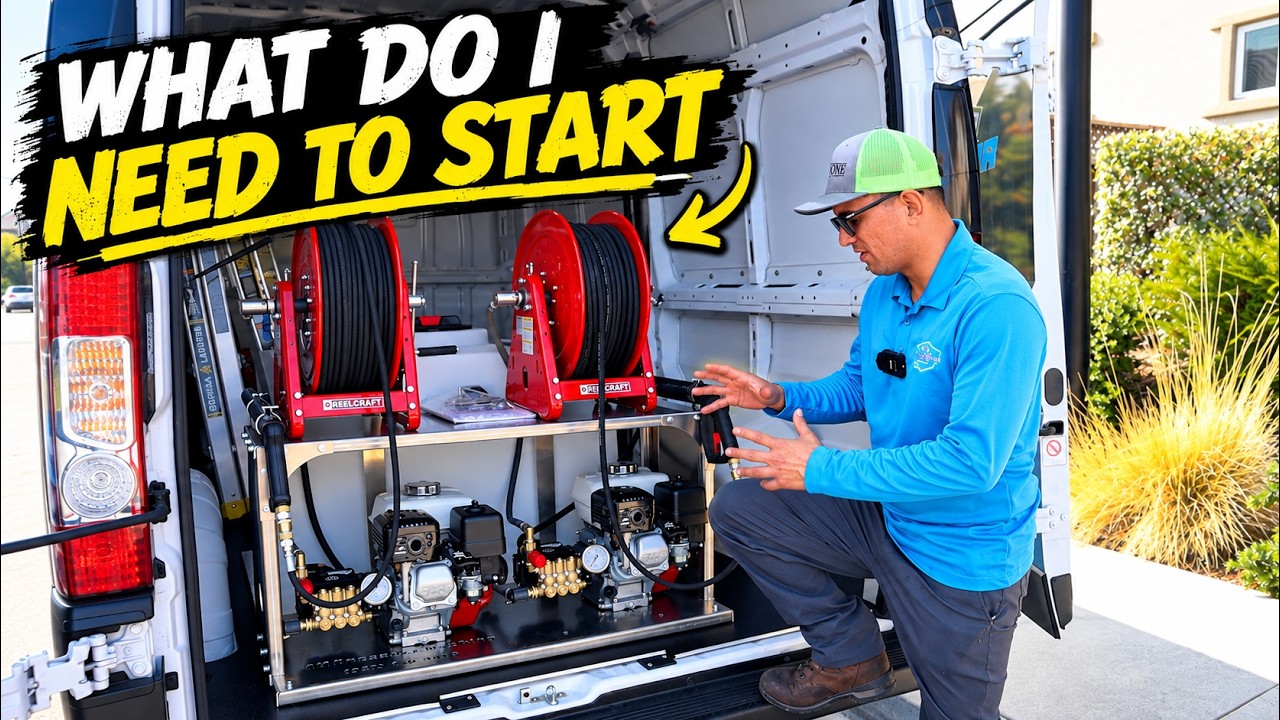
A suitable containment system depends on the roof layout, expected flow and cleaning method. It may include controlled downpipe diversion, collection tanks, pumps, wet vacuums or temporary bunding at ground level. Equipment needs enough capacity for the anticipated wastewater volume and a contingency if conditions change.
Simply blocking downpipes https://eduardotbxi847.solsticebrief.com/posts/safe-and-effective-roof-washing-methods-for-melbourne-homes can cause gutters to overflow, introduce water into the building or create excessive loads. Diversion must maintain a controlled drainage route without creating a new property risk.

- Prepare the site: Identify drainage outlets, sensitive areas, rainwater tanks and neighbouring properties that could be affected.
- Collect loose debris: Remove accessible solids using a safe method before introducing wash water.
- Establish containment: Set up appropriate diversion, collection and recovery equipment before applying chemicals.
- Monitor continuously: Watch gutters, outlets, tank capacity and ground-level drainage while cleaning proceeds.
- Arrange lawful disposal: Use an authorised disposal pathway suitable for the wastewater’s contents.
- Check and restore: Inspect for residues, remove controls safely and reconnect drainage only when appropriate.
Filtering can remove some suspended solids, but it does not necessarily remove dissolved chemicals, salts or metals. Clear-looking water is not proof that wastewater is suitable for discharge.
Protect Rainwater Tanks and Household Water Supplies
Roof-connected rainwater tanks need particular attention. Cleaning chemicals, disturbed sediment and organic material can enter stored water if tank inlets remain connected. This matters whether the water supplies toilets, irrigation, laundry or drinking water.
The contractor should identify every connected roof catchment and arrange suitable isolation before work begins. A first-flush diverter is not a substitute for isolation because its capacity may be far smaller than the volume of cleaning runoff.
Reconnection should follow the product instructions and a site-specific assessment of remaining residues. There is no universal waiting period or rainfall amount that makes every treated roof suitable for reconnection. Where drinking water is involved, seek advice from the relevant health authority or a qualified water treatment professional if contamination is suspected.
Coordinate Gutter Cleaning and Solar Panel Cleaning
Gutter cleaning is often a useful part of roof washing preparation. Removing accumulated sludge and leaves reduces blockages and makes water flow more predictable. Collected gutter waste should be contained and disposed of appropriately, not flushed down a downpipe.
Solar panel cleaning needs separate consideration. Panel manufacturers may restrict cleaning chemicals, abrasive tools and pressure washing. Roof treatment overspray should not be allowed to contact panels or associated equipment unless compatibility is confirmed.
Where roof cleaning, gutter cleaning and solar panel cleaning form part of one service, ask the contractor to explain the sequence. The aim is to prevent one task from recontaminating another surface while keeping all wastewater under control. Damaged electrical equipment or wiring requires assessment by an appropriately qualified professional.
Plan Around Melbourne’s Weather and Gardens
Weather affects both cleaning safety and runoff control. Wind can carry spray beyond the work area, while rain can overwhelm temporary collection systems or wash an unfinished treatment into drainage. Contractors should check the forecast and stop if conditions exceed the containment system’s capacity.
Garden protection also needs planning. Moving pots and protecting sensitive vegetation may be appropriate, depending on the product and application method. However, redirecting wastewater into garden beds is not a default disposal solution. Chemicals, salts or other contaminants may damage plants, affect soil or move into groundwater.
Likewise, dilution is not a substitute for pollution prevention. Adding clean water can increase the total volume requiring management without removing the contaminants.
Questions to Ask a Melbourne Roof Cleaning Contractor
A reliable quote should explain the proposed cleaning method and how wastewater will be handled. Before booking, ask:
- How will you identify and control every roof drainage outlet?
- Which products will you use, and are they compatible with my roof?
- Can you provide the product labels and safety data sheets?
- How will you protect rainwater tanks, gardens and neighbouring properties?
- Where will collected wastewater go, and what approvals are needed?
- How will you manage residues washed off by later rainfall?
- What happens if rain starts, containment fails or collection tanks fill?
Request that the agreed runoff arrangements appear in the written scope of work. Be cautious of assurances that a product is harmless simply because it is diluted, biodegradable or commonly used.
Responsible Roof Washing Protects More Than the Roof
Good roof washing combines suitable surface care with effective pollution prevention. The essential steps are to assess the roof and drainage, minimise contamination, capture wastewater and use an appropriate disposal pathway.
For Melbourne property owners, the best choice is not necessarily the fastest wash or the strongest treatment. It is a service that can clearly explain how it protects the roof, manages runoff and prevents cleaning residues from becoming a problem for tanks, neighbours and local waterways.
Melbourne Roof Cleaning Pros
2/19 Chandos St, Cheltenham VIC 3192
ph. (03) 4514 5137